Archive

Anthony Mock Velvet

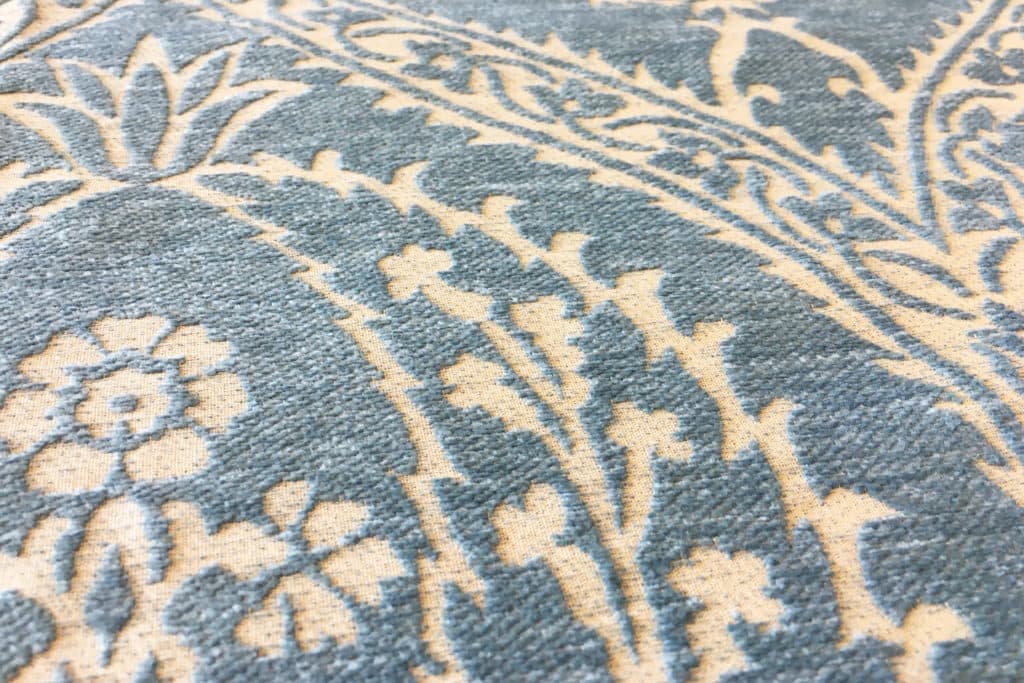
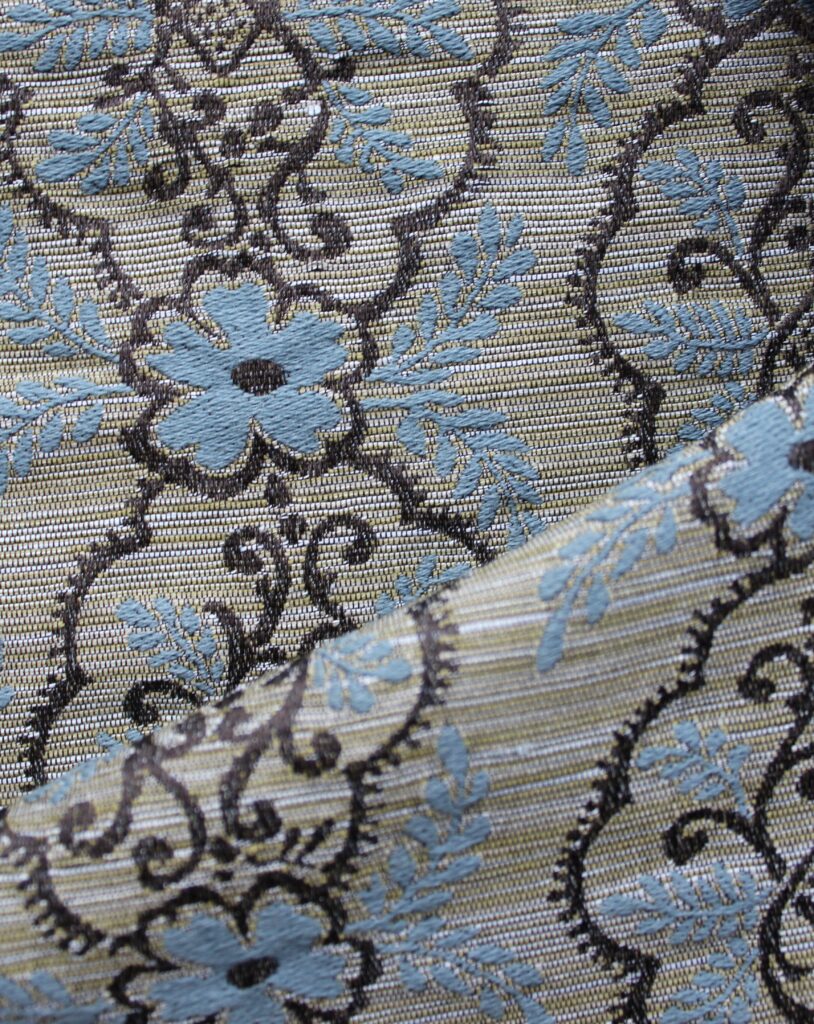
Ref. 4154. Recreated for a National Trust 18th-century house. Designed to imitate the original velvet from a late 19th-century design. Woven in cotton, suitable for upholstery use.

Ashen Contemporary

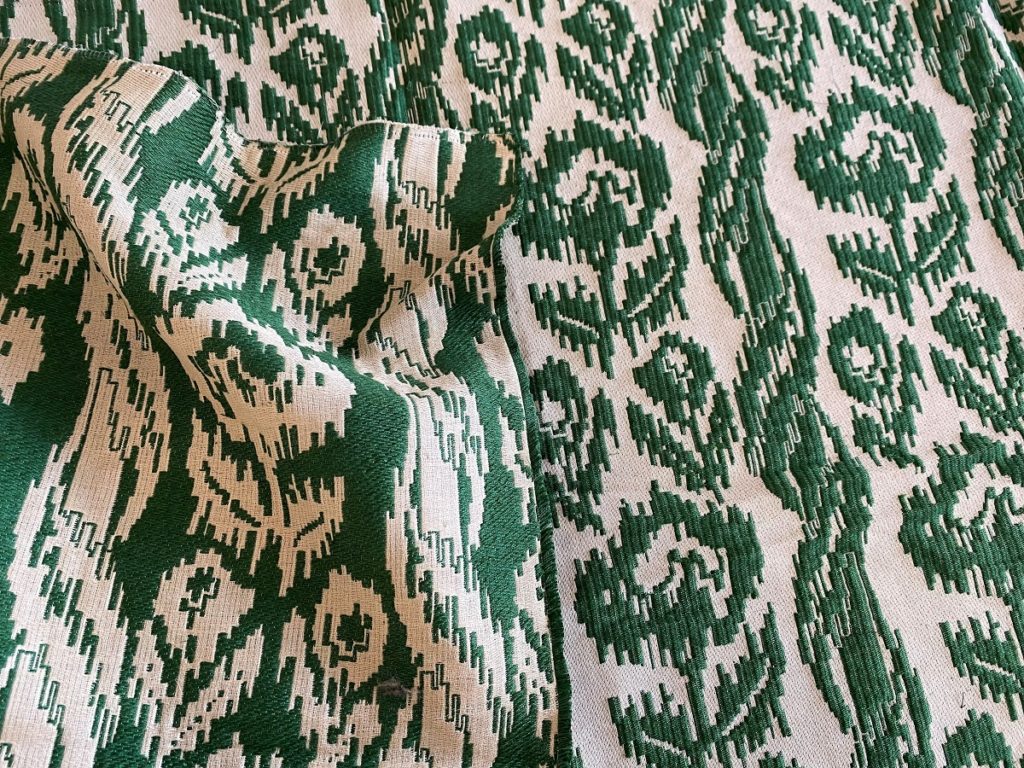
Ref. (T)F29032 103. Drawn and designed by Humphries Weaving this design dates from the fourth quarter of the 20th century. Inspired by the soft, blurred lines of traditional ikat weaving the fabric offers defined texture and versatility, making it suitable for a wide range of interior applications.

Buxton Strié

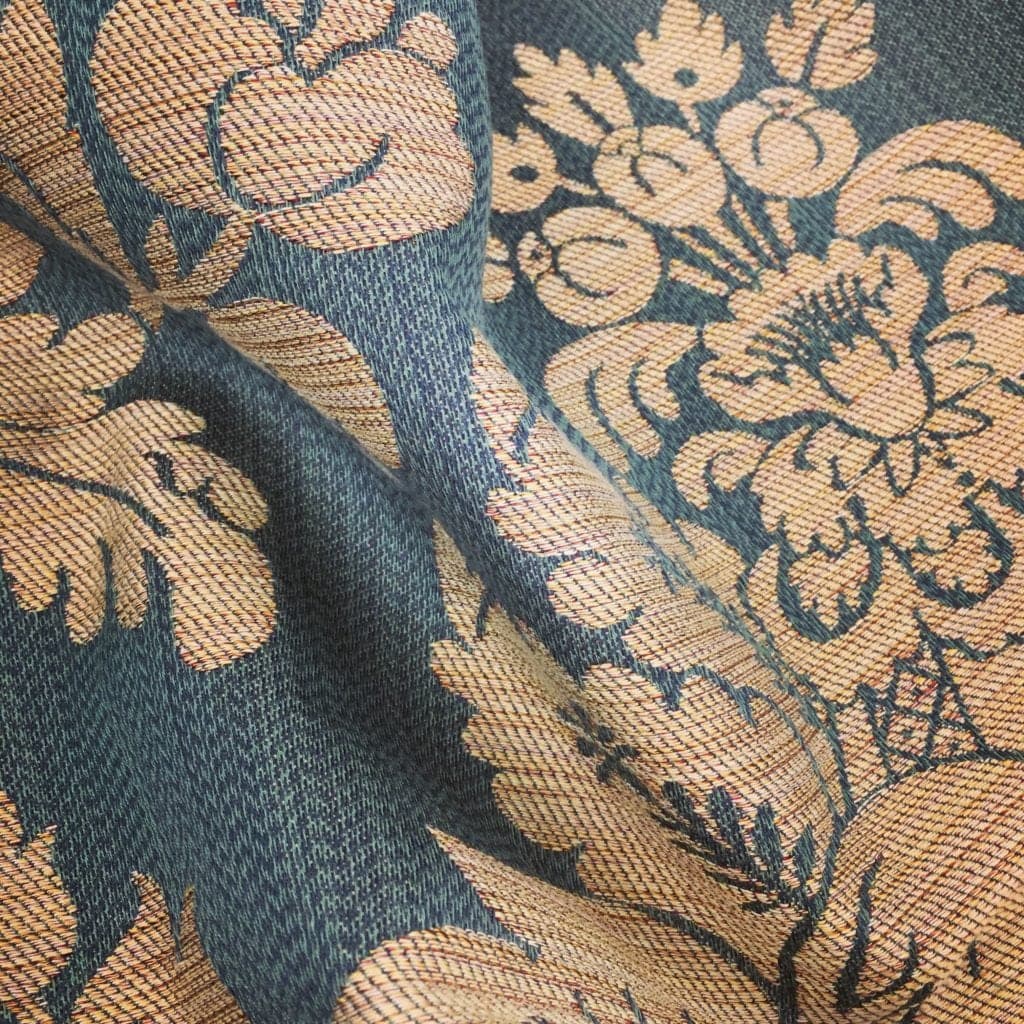
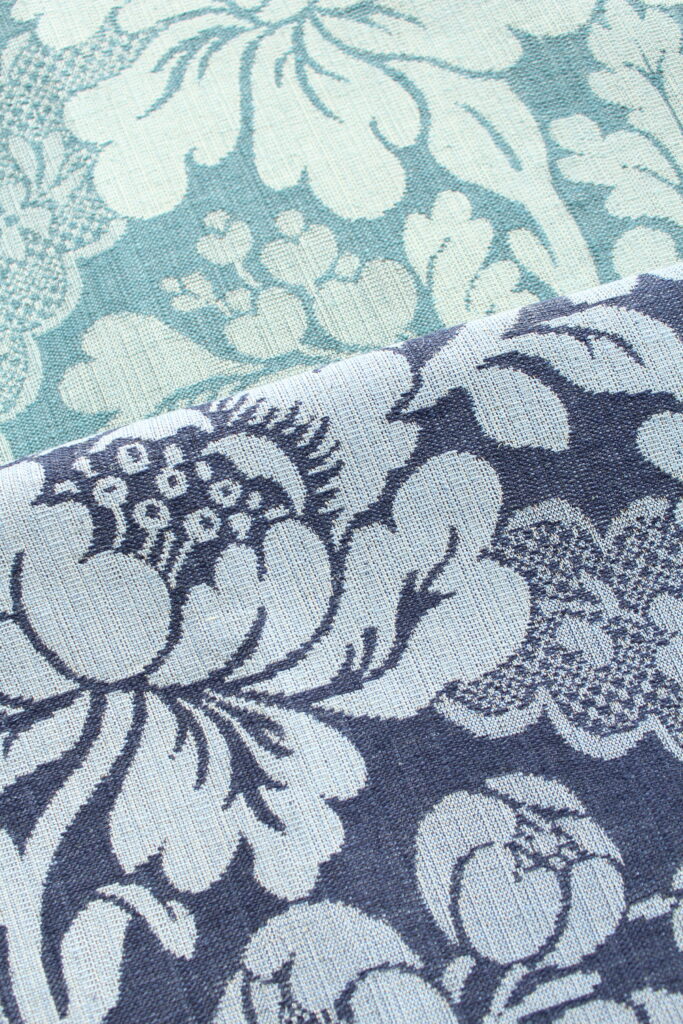
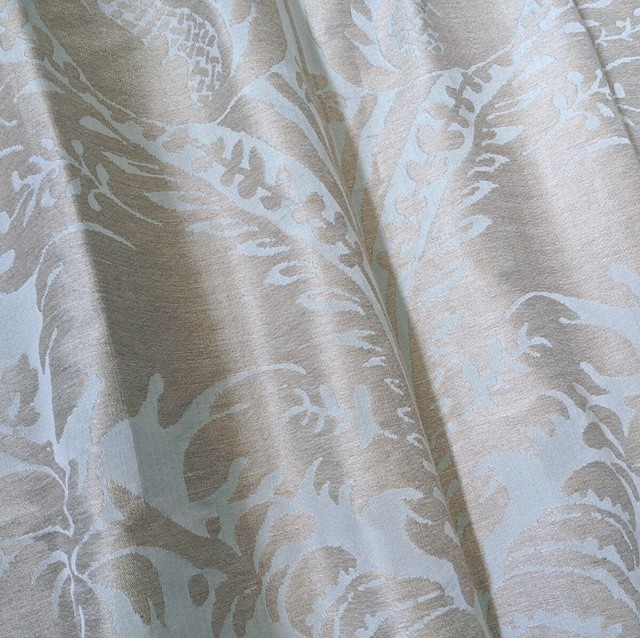
Ref. 2013. 3rd quarter, 18th century. The Buxton design is seen at multiple historic houses in pure silk damask. This quality was woven for upholstered walling with a custom turquoise and dark blue warp strié which contrasts beautifully with matte cotton and a lustrous silk beige figure.

Distressed Abberton Damask

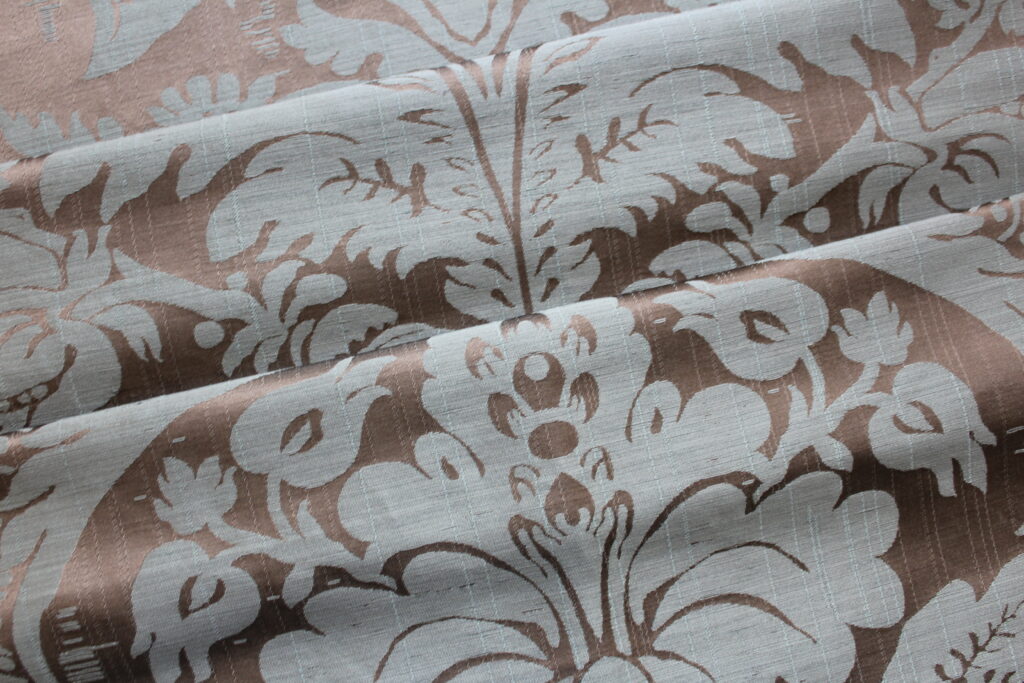
Ref. 2307-2. Dates from the second quarter of the 18th century. Created to match an existing damask with conservation stitching, the design incorporates areas of wear and repair found on the original curtains. Woven in silk and linen, it reflects the character of a textile shaped by time.

Dragons Lampas

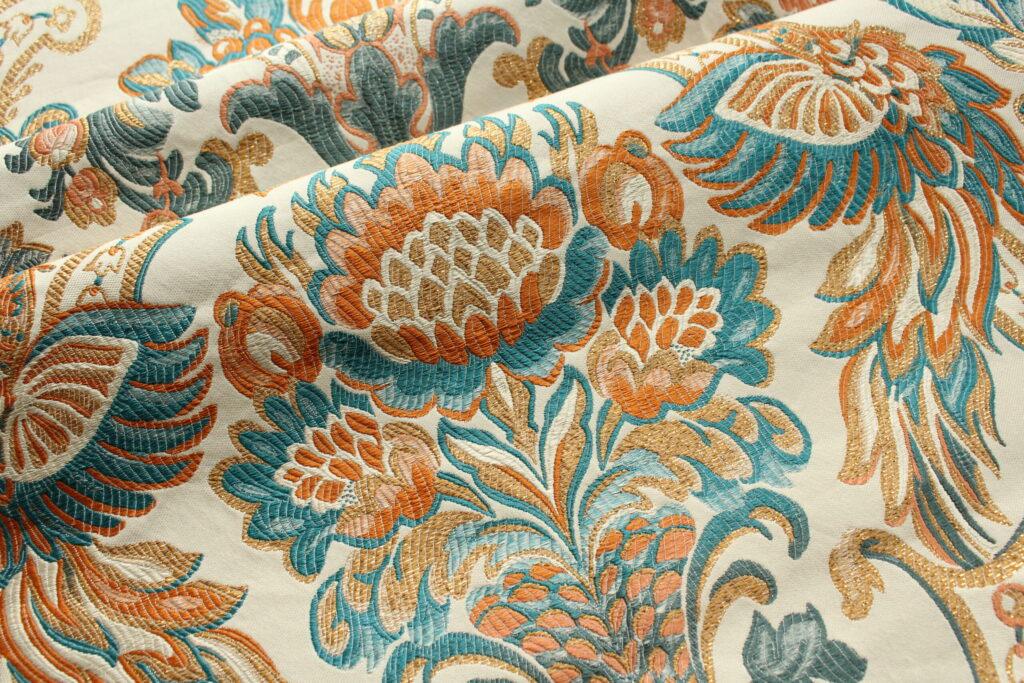
Ref. (T)F29612 110. Dating from the fourth quarter of the 19th century this design is drawn from the Humphries Weaving archive. Updated in silk and lurex, hand-bound silk floats catch the light, creating contrast against the matt ground.

Dunwich Damask

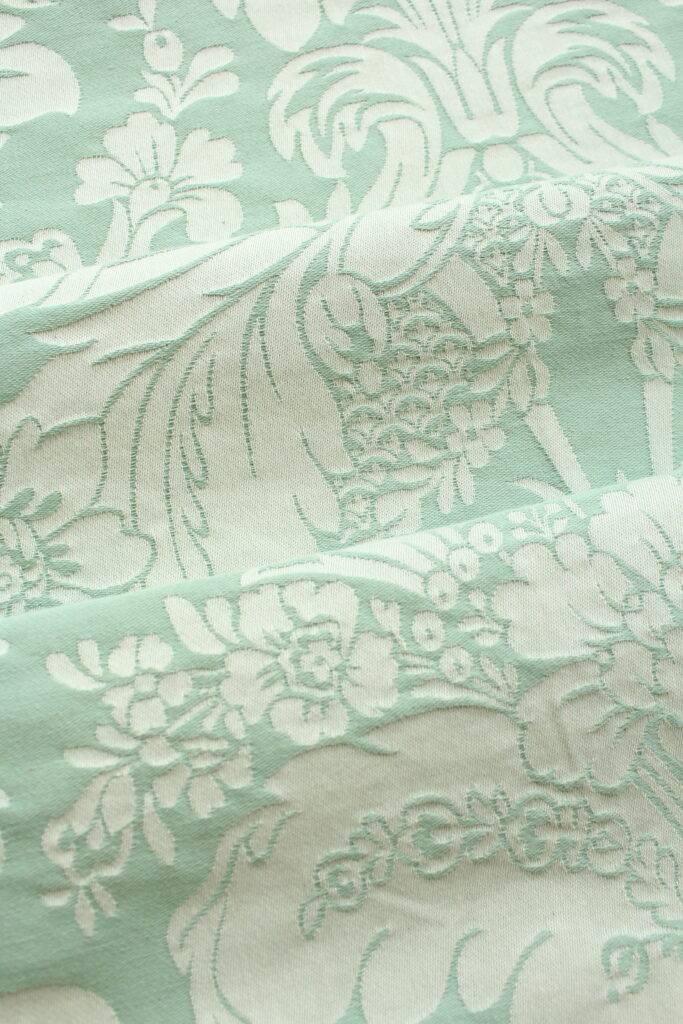
Ref. F29212. Dating from the 2nd quarter of the 19th century, this historic design has been reworked in an all-cotton damask construction. Its dry handle and contemporary appearance is perfect for private homes with applications such as upholstery, walling and curtains.

Fordham Tissue

Ref. (T)F22408 116. Dating from the third quarter of the 19th century, this design was redrawn by Humphries Weaving from the archive. Woven with a linen-effect construction and subtle strié character, it offers a warm, relaxed appearance that complements both traditional and informal interiors.

Fredericksborg Castle

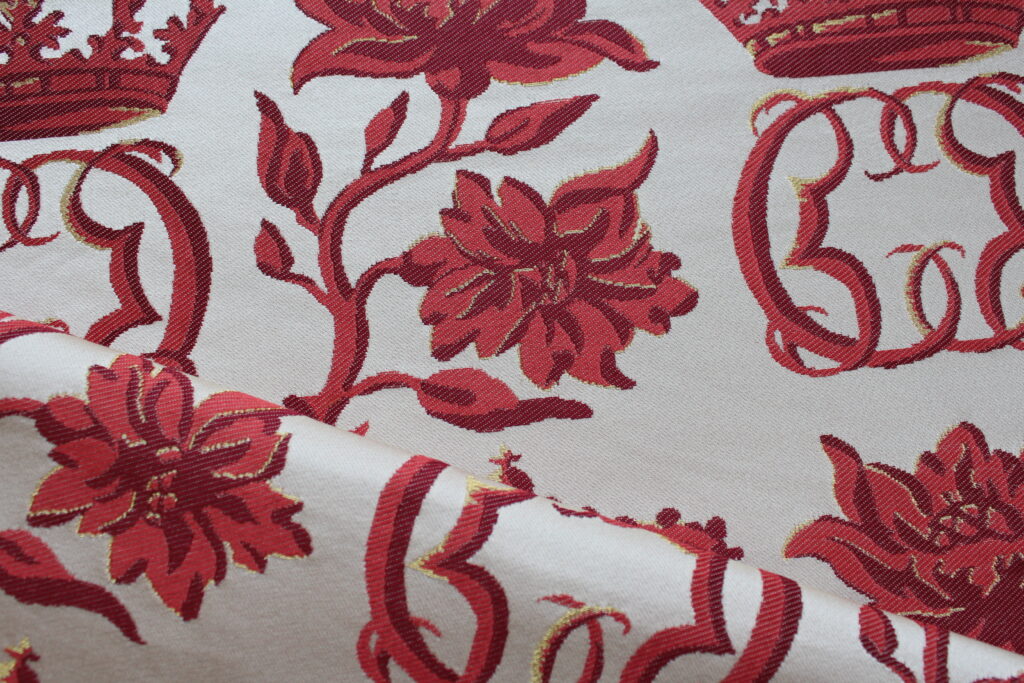
Ref. 2667. Design dates from the 4th quarter of the 17th Century, expertly recreated from an original watercolour held by the castle in Denmark, developed to include the signina of the monarch. Used for wall upholstery.

Geraldine Tissue

Ref. 5444. Dating from the third quarter of the 18th century this design is drawn from the Humphries Weaving archive. The original brief called for a more contemporary design aesthetic combining a dry ground with subtle accents of colour. Originally developed for curtains in a private residence.

Glenuirt

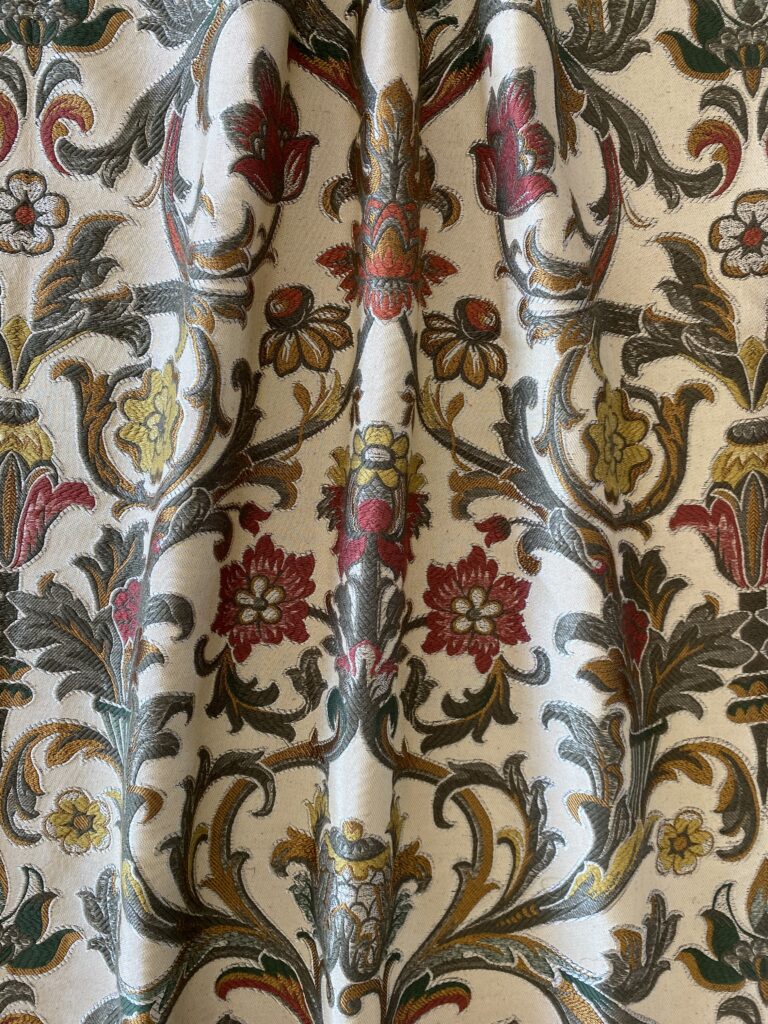
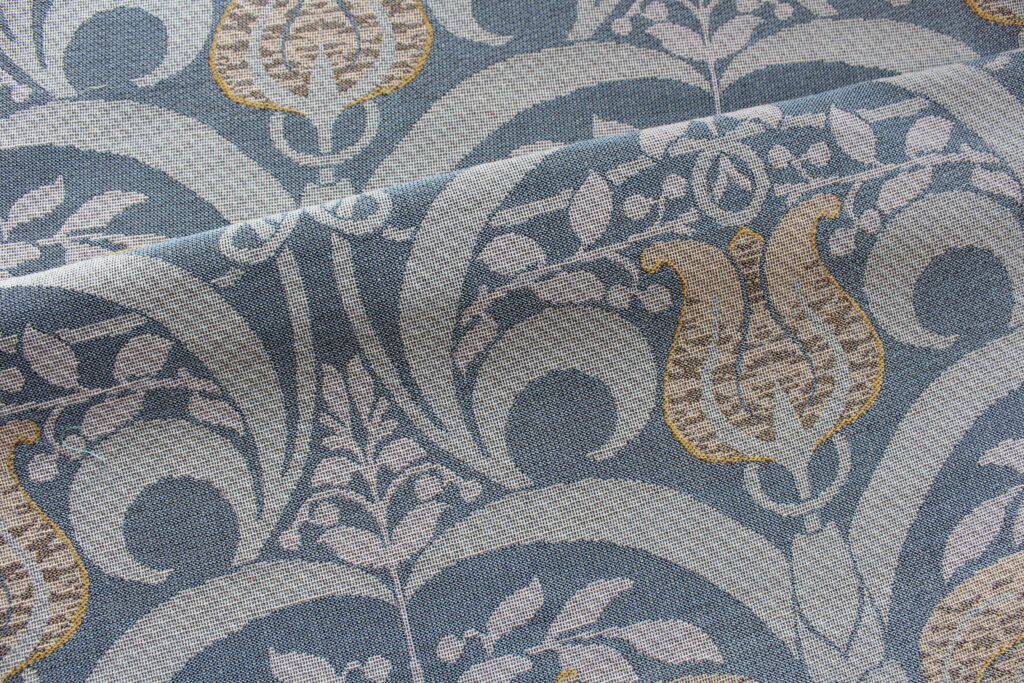
Ref. (T) F23675 107. The Glenuirt design is from the 3rd Quarter of the 19th Century. The design has influences from the Arts & Crafts movement. The fabric is versatile with a subtle textural weave structure; the background is also available as a plain fabric.

Kersey Cotelin

Ref. (T)F29694 104. This small trellis design was adapted from part of a larger cotelin held within the Humphries Weaving archive the original dating from the third quarter of the 18th century. Developed as a companion design, it allows both patterns to be used together within a scheme. Suitable for upholstered walls, curtains and upholstery.

Lincoln

Ref. (T)F27562 105. Originally redrawn from Belton Estate this design dates from the second quarter of the 19th century and was first woven as a damask. Reworked in a cotton and wool quality, the construction allows flexible colour combinations, creating depth, softness and an attractive drape.

Abberton Strié

Ref. F27636. Using the same design as Distressed Abberton this quality offers a completely different interpretation. Silk, fine viscose and linen combine with ground and figure strié effects to create a subtle mottled appearance with contrasting sheen and crispness. Suitable for walling, light upholstery and curtains.

Mackie Flamestitch

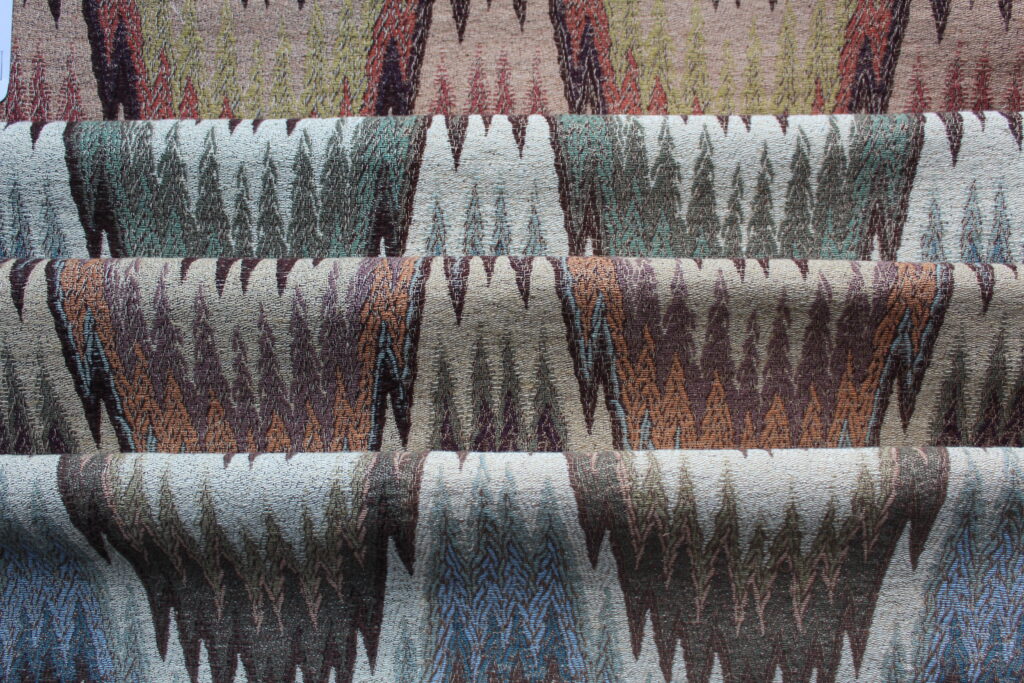
Ref. (T) F29498 114. Based on a 16th-century flame stitch, also known as the Bargello Stitch, the Humphries Weaving version uses, cotton and viscose flax which gives the fabric a subtle sheen. It is suitable for interior use and can be seen upholstered in our showroom.

Melford Lampas

Ref. (T)F29062 103. Dates from the fourth quarter of the 18th century, recreated from the Humphries Weaving archive, the original brocade has been reinterpreted as a lampas. Cotton, viscose, flax and silk create beautiful relief with contrasting matt and lustrous effects. Suitable for light upholstery and curtains.

Phantom III Peacock

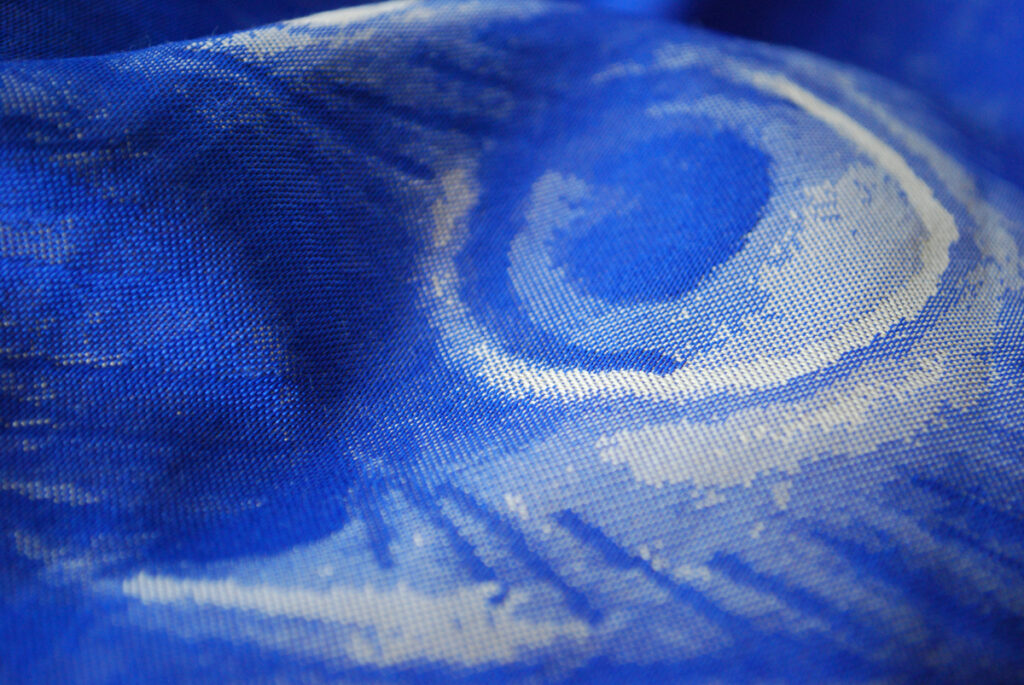
Ref. 2191/2. Woven in cotton and silk using Humphries Weaving’s photographic technique, this quality captures exceptional detail. Bespoke designs can be developed from paintings, florals, wildlife studies or photographs. Speak to our team to discuss your project.
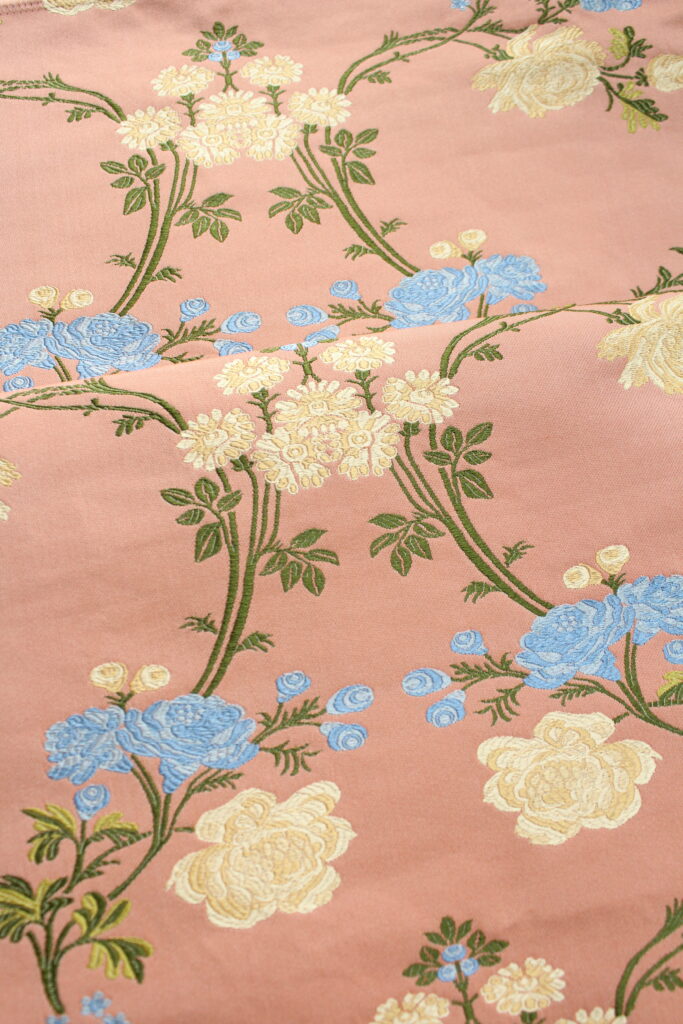
Romney Damask

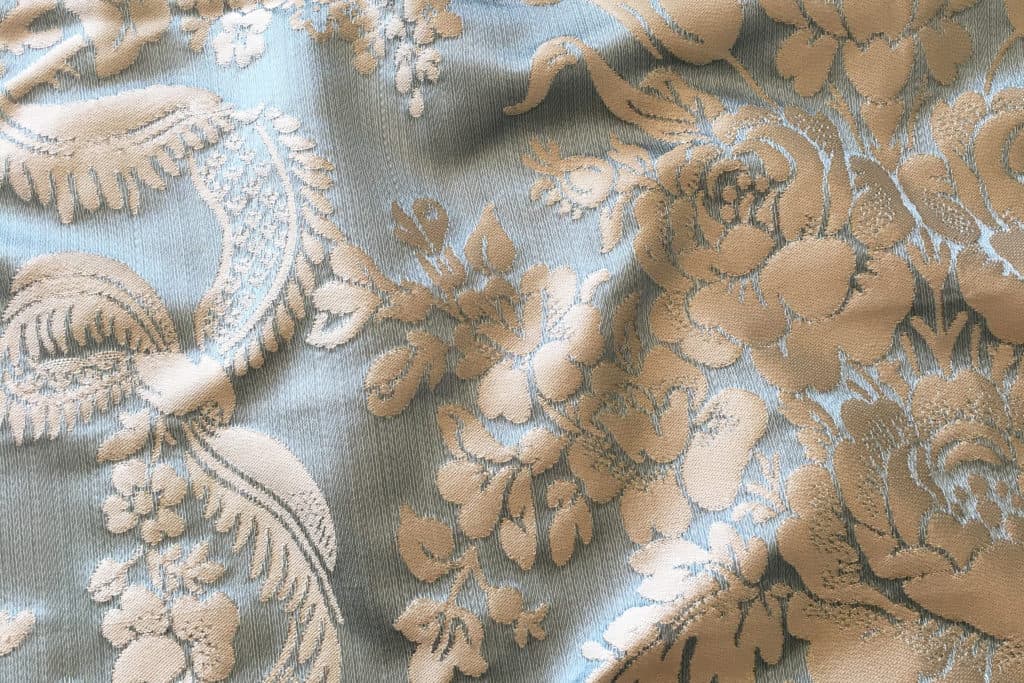
Ref. 2393. Dating from the second quarter of the 18th century this damask features a custom warp strié and single-colour figure. Blue and champagne tones create a subtle colour shift across the ground. Bespoke colourways and alternative design options are available. Speak to our team to discuss your project.
Kensington Damask

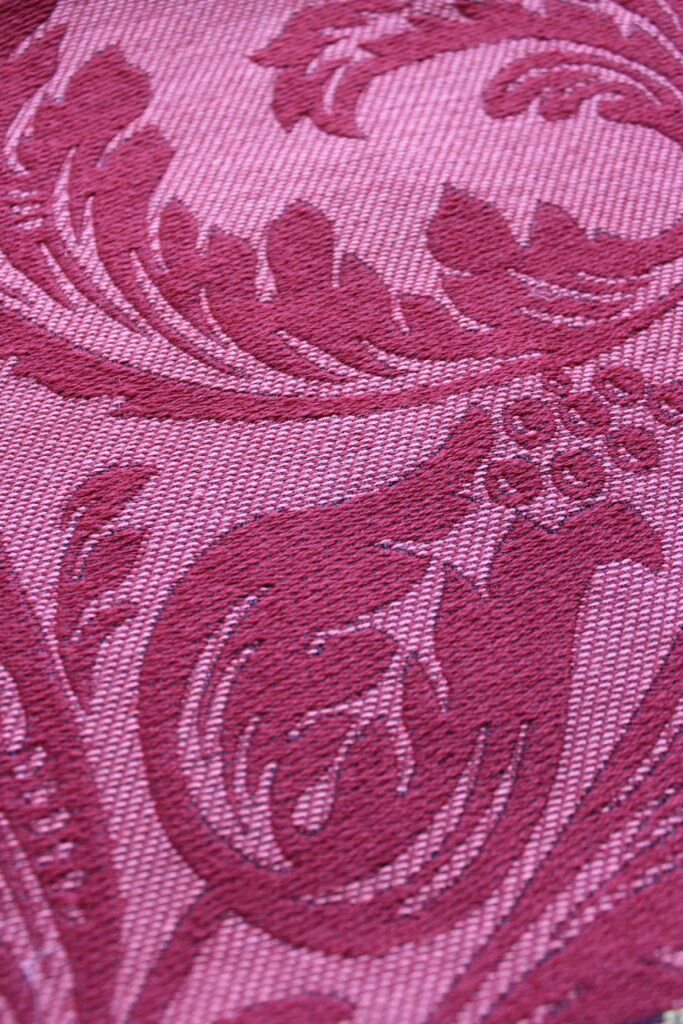
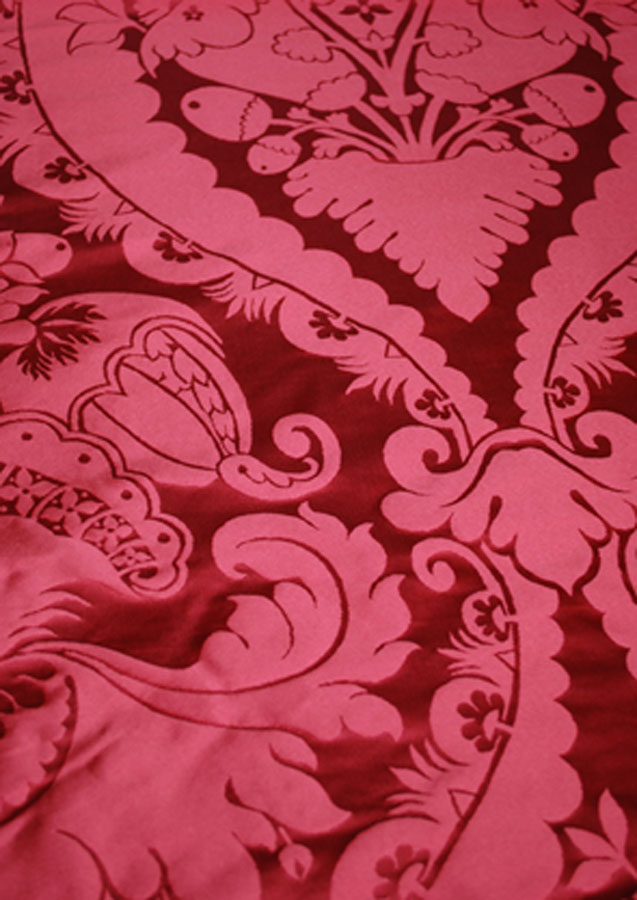
Ref. 2368. Dates from the 2nd Quarter of the 18th century. This crimson silk damask is woven at the original 21″ design width, preserving the character and proportions of the historic fabric. Contact us for guidance on selecting appropriate designs.

Chinoiserie Valentines

Ref. F28890. Dating from the first quarter of the 19th century this chinoiserie-style design is drawn from the Humphries Weaving archive and was redrawn as a weft-faced damask using cotton and silk. Suitable for light upholstery, fabric walling and curtains.
TOP